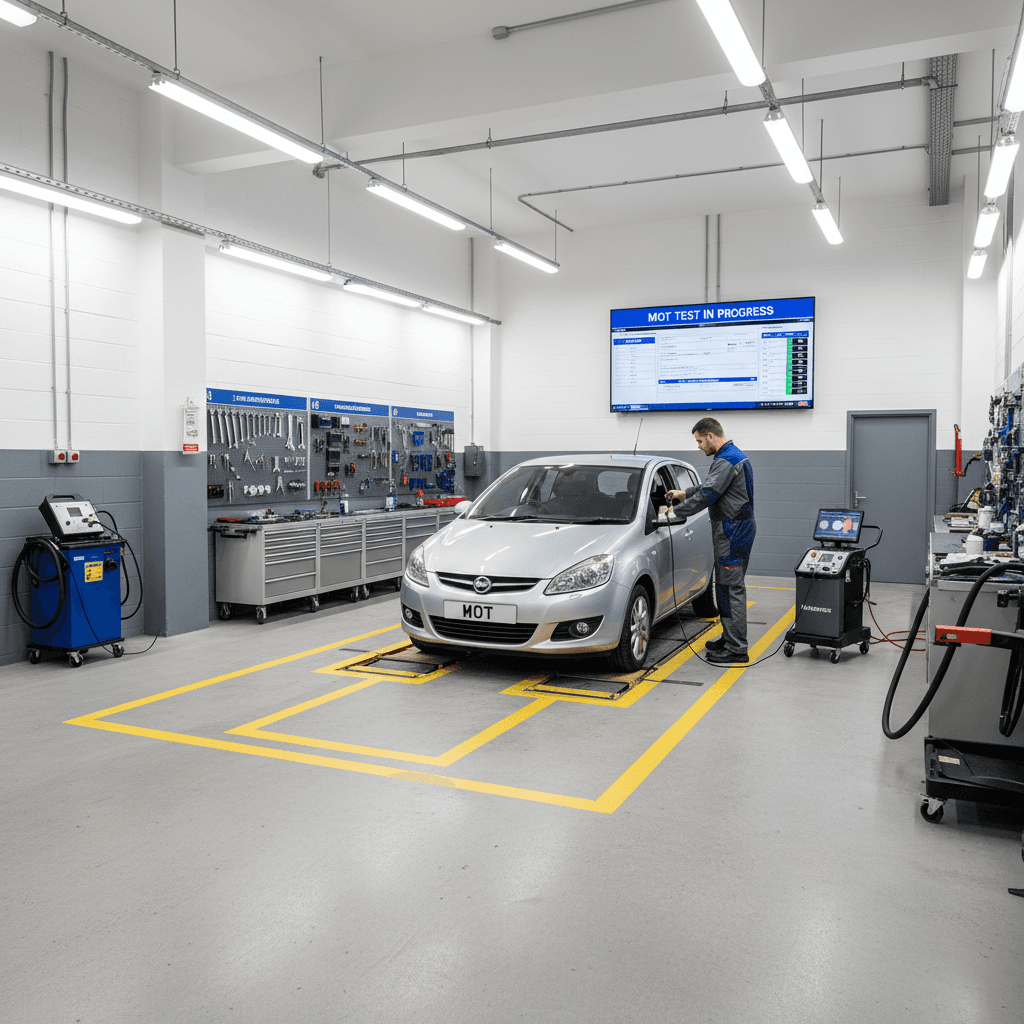
You can learn how to check air conditioner in car performance by testing the air temperature at the vents and listening for the compressor to click on; additionally, inspect the cabin filter for debris and look for refrigerant leaks around the hoses. If the system still feels warm, check for signs of a blocked condenser or schedule a professional pressure test to ensure optimal cooling efficiency.
As the coastal temperatures in Brighton begin to climb, nothing compromises your driving experience quite like a failing climate control system. You turn the dial to its lowest setting, yet the air remains stubbornly lukewarm while your cabin humidity rises. This discomfort is often the first sign of a system under stress; it can lead to costly compressor failures if left unaddressed. Maintaining peak performance requires more than just luck, as it demands a systematic approach to diagnostics. In this guide, we will walk you through a professional five minute performance test, explain how to identify refrigerant issues, and detail the visual indicators of wear under the bonnet. You will learn to distinguish between minor maintenance needs and critical faults, ensuring your vehicle remains a sanctuary of cool air throughout the summer season.
Why Your Car Air Conditioning Needs a Pre Summer Check in Brighton
Living in Brighton and Hove offers many perks, but the coastal environment presents unique challenges for your vehicle. The combination of high humidity and salt-laden air from the English Channel can gradually corrode metallic components, including the delicate aluminum fins of your air conditioning condenser. Beyond environmental wear, a car's AC system naturally loses approximately 10 percent of its refrigerant gas every year. This means a system that kept you comfortable on the coast road last August might struggle to cope during a midday heatwave on the A27 this July.
Many drivers only think about their climate control when it stops blowing cold air entirely. However, proactive maintenance is essential to avoid the cost of professional car repairs in Brighton later. Understanding how to check air conditioner in car performance before the mercury rises allows you to identify minor pressure drops or blockages before they stress the compressor. At First Class Garage, we recommend expert air conditioning servicing as part of your spring routine. This ensures the lubricant mixed with the refrigerant continues to protect internal seals, preventing the cracks and leaks that often lead to total system failure just when you need cooling the most.
The Five Minute Performance Test: How to Check if Your Car AC is Working

Before booking a professional appointment, you can conduct a simple diagnostic at home. Many drivers ask, "How do I check if my car AC is working?" and the answer lies in a systematic five minute performance test. This procedure helps you establish a baseline for your system's health before the Brighton summer humidity sets in.
Follow these steps for an accurate assessment:
Initial Setup: Start your engine and ensure the vehicle is in a well-ventilated area. Set the air conditioning to the lowest possible temperature and the fan speed to its maximum setting.
The Temperature Drop: Use a digital probe thermometer or your hand to monitor the center vents. Within 60 seconds, the air should feel icy. A high-performing system typically produces vent temperatures between 2°C and 8°C.
The Compressor Check: Listen for a distinct 'click' from the engine bay. This is the electromagnetic clutch engaging the AC compressor. If you hear the compressor cycling on and off rapidly, or if there is no click at all, the system is likely protecting itself from damage due to incorrect pressure.
Airflow Distribution: Toggle through the different vent positions, including the footwells and the windscreen. Airflow should be powerful and consistent across all outlets.
If your test reveals air that is merely cool but not cold, it is a primary indicator that the system is low on refrigerant gas. While the system may still function, running it with low gas levels forces the compressor to work harder, which can lead to premature wear and higher fuel consumption. This is the ideal time to consider comprehensive vehicle inspections to prevent a minor pressure drop from becoming a major repair.
Identifying Common Air Con Problems: Troubleshooting Cool but Not Cold Air
A total system failure, where the vents blow ambient air regardless of settings, often stems from a major electrical fault or a seized compressor. However, most Brighton drivers experience a gradual decline in performance where the air is cool but fails to reach a truly refreshing chill. This lack of performance is usually the first sign of a developing fault that requires attention before the height of summer.
The most frequent culprit is low refrigerant. Because car AC systems naturally lose about 10 percent of their gas annually, the pressure eventually drops below the threshold needed for efficient heat exchange. When the gas level is low, the internal seals lose the essential lubrication provided by the oil mixed with the refrigerant, leading to potential cracks and leaks that necessitate professional car repairs in Brighton.
Local environmental factors often cause restricted airflow. A blocked cabin air filter is a common issue in East Sussex. Over time, this filter becomes clogged with fine chalk dust from the South Downs, South Coast sea salt, and seasonal pollen. If you notice a weak breeze even on the highest fan setting, the filter is likely the bottleneck. Replacing this is a simple part of comprehensive vehicle inspections.
Other common causes include:
A failing blend door actuator: This internal flap controls the mix of hot and cold air. If it sticks, your AC may be fighting against the heater.
Condenser blockages: The condenser, located at the front of the car, can become plastered with road debris or leaves, preventing it from shedding heat effectively.
Compressor wear: Listen for grinding or persistent clicking, which suggests mechanical strain.
Electrical faults: Blown fuses or faulty relays can prevent the cooling fans or compressor from activating.
Refrigerant leaks: A physical breach in a pipe or seal will cause a rapid loss of cooling capacity.
Understanding these variables is key when learning how to check air conditioner in car health. Identifying a weak system early allows for targeted maintenance before a small pressure drop turns into a costly compressor replacement.
How to Check Air Conditioner Gas and Pressure Safely
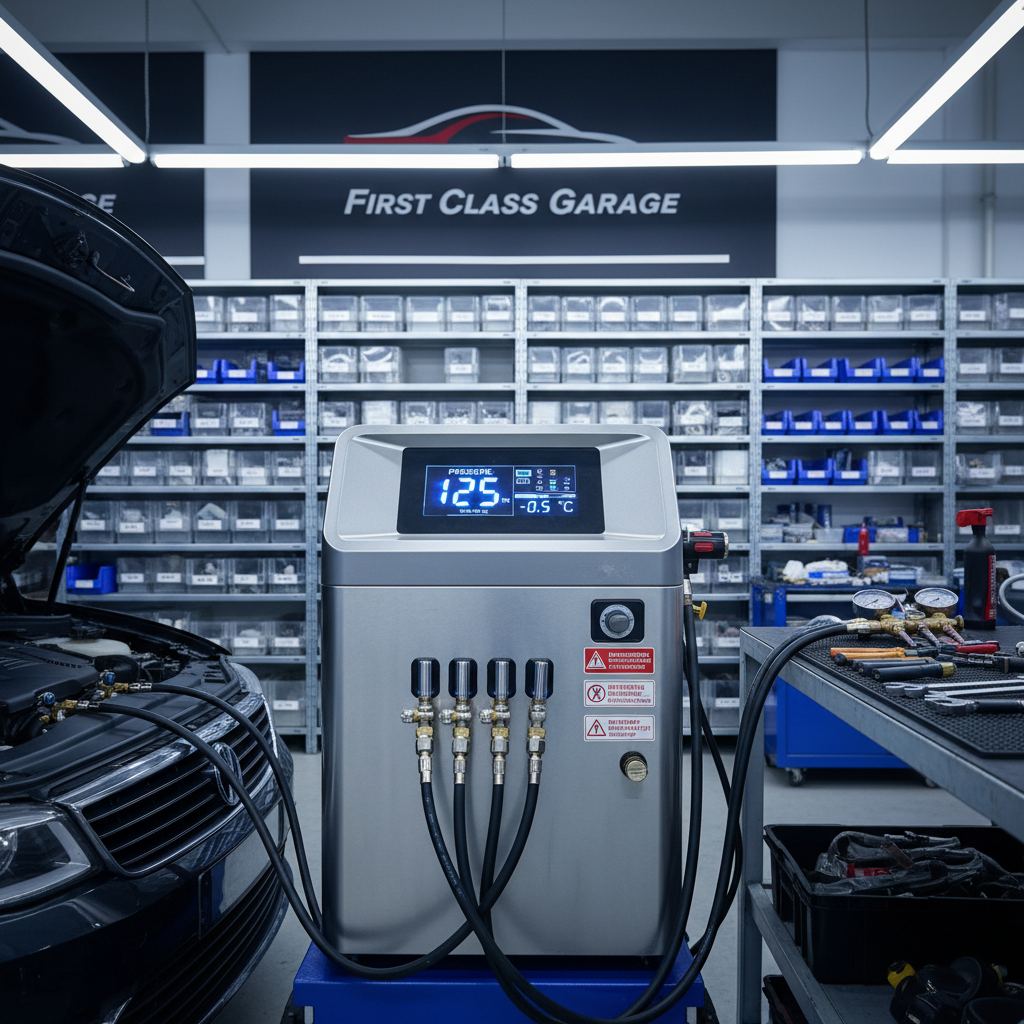
Many car owners attempt to learn how to check air conditioner gas in car by purchasing inexpensive pressure gauges from auto parts stores. While these gauges provide a reading, they are often misleading. Air conditioning pressure is highly sensitive to ambient temperature and engine heat; a system might show a healthy reading on a cool morning but be dangerously over-pressurised by the time you reach the Brighton seafront in midday sun.
In the UK, vehicles typically use one of two specific refrigerants. Cars manufactured before 2017 generally utilize R134a, whereas newer models require R1234yf, a more environmentally friendly but chemically different gas. Using a DIY kit meant for the wrong gas type can cause catastrophic damage to the compressor and internal seals. Furthermore, DIY canisters often introduce moisture into the lines. During expert air conditioning servicing, we perform a deep vacuum to remove all moisture and air. This is critical because moisture reacts with refrigerant to form acidic compounds that corrode the system from the inside out.
At First Class Garage, we do not rely on pressure alone. Professional equipment measures the exact weight of the gas recovered from your vehicle. Because manufacturers specify refrigerant levels by weight, for example 550g, this is the only way to be 100 percent accurate. Simply adding gas without knowing the starting volume risks overfilling, which can lead to a seized compressor and the need for expensive professional car repairs in Brighton. Including these checks as part of comprehensive vehicle inspections ensures your climate control operates safely within its engineered limits.
Visual Inspection: What to Look for Under the Bonnet

While you should never attempt to dismantle high pressure lines yourself, a visual walkaround under the bonnet can reveal obvious physical issues. Start by locating the AC condenser; this component sits directly in front of the radiator and resembles a smaller, thinner version of it. Because of its position, it is prone to collecting road debris from the A23 or Brighton seafront. Use a torch to check for a buildup of dead flies, leaves, or mud within the cooling fins. Even a partial blockage restricts airflow, which prevents the refrigerant from shedding heat. Look closely for bent fins or small indentations caused by stone impacts, as these can lead to hairline fractures over time.
Next, trace the aluminium pipes and flexible rubber hoses that connect the compressor to the rest of the system. You are looking for oily, dark stains or a greasy film near the connection points. Refrigerant circulates with a specific lubricant; therefore, a damp, oily patch often indicates a pressurized leak point. If you are trying to determine how to check air conditioner in car integrity, remember that many leaks are invisible to the naked eye. At First Class Garage, we include a UV dye injection as part of our expert air conditioning servicing. Under specialized ultraviolet light, even the smallest pinhole leak glows brightly, allowing for targeted professional car repairs in Brighton rather than guesswork. This level of detail is a standard component of our comprehensive vehicle inspections.
The Smell Test: Why Your Air Con Might Smell Like Old Socks
Physical checks are vital, but your nose often detects issues before your eyes do. A common complaint among Brighton drivers is a pungent, musty odour, often described as smelling like old socks or damp vinegar, emanating from the vents. This scent indicates bacterial and fungal growth on the evaporator core. Located deep behind the dashboard, the evaporator is a dark, damp environment where condensation naturally collects as the system removes heat from the cabin.
Brighton’s coastal humidity exacerbates this problem. When moisture from the salt-laden sea air remains trapped in the system without regular use, it becomes a breeding ground for mould. If you are investigating how to check air conditioner in car hygiene, pay attention to the intensity of the smell when you first engage the blowers. While an over the counter 'anti bacterial bomb' can offer a temporary mask for mild cases, persistent odours require a professional debug service. At First Class Garage, we include sanitisation options within our expert air conditioning servicing to kill spores at the source, ensuring the air you breathe is clean, not just cold. This thorough approach is a key part of our comprehensive vehicle inspections to maintain a healthy cabin environment.
Professional Diagnosis vs DIY: When to Visit a Brighton Specialist
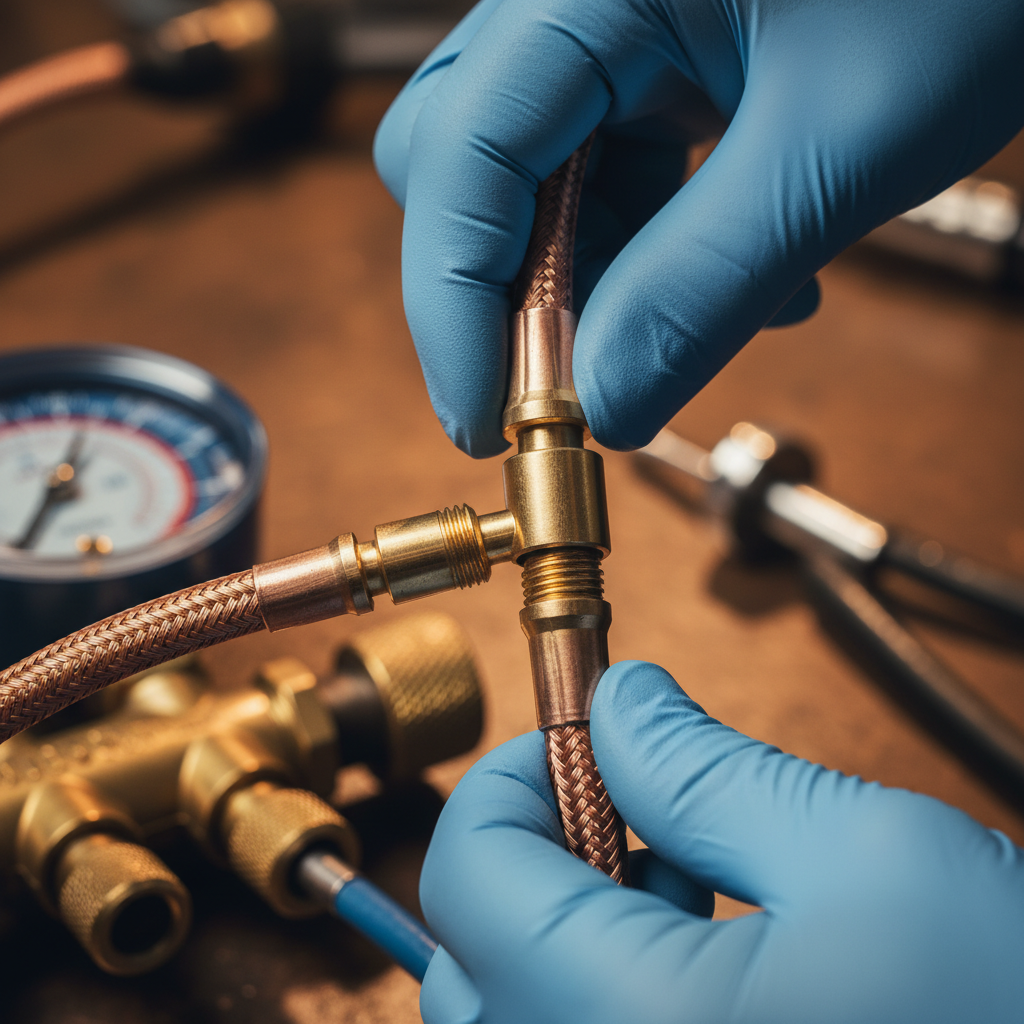
Self-performed maintenance is largely limited to clearing external blockages or replacing a clogged cabin filter. Beyond these basic steps, understanding how to check air conditioner in car health requires specialist equipment that handles high-pressure systems safely. At First Class Garage, we use dedicated recovery units to extract old gas, moisture, and debris, a process that DIY canisters simply cannot replicate.
Professional intervention is essential when basic cooling fails. Our technicians use advanced diagnostic scanners to communicate with the vehicle's ECU, identifying faulty pressure sensors or electronic control valves that a simple regas would overlook. We also employ nitrogen pressure testing to locate microscopic leaks caused by Brighton's salt-heavy air, ensuring that professional car repairs in Brighton are targeted and permanent.
Instead of a quick top up, an expert air conditioning servicing provides a complete system vacuum and oil replenishment. This thorough approach, often combined with comprehensive vehicle inspections, prevents internal corrosion and ensures your climate control is truly ready for the South Coast summer.
Staying cool on the road is essential for a comfortable summer drive in Brighton. By following these simple checks, you can identify potential issues before the heat arrives. However, some systems require specialized tools or a more thorough inspection to perform at their best. If you want expert help ensuring your vehicle remains chilled, our team can provide a professional Air Con service. We are here to help you stay comfortable throughout the season with reliable, local care.